The 5 C’s of Stress Management: Calm to Commit
What are the 5 C’s of stress management?
The “5 C’s” are an easy way to remember a well-rounded stress-management plan. While different sources may name them slightly differently, the core idea stays the same: build habits that calm your body, steady your thoughts, and protect your time and relationships. Here’s a practical version you can use right away.
1) Calm
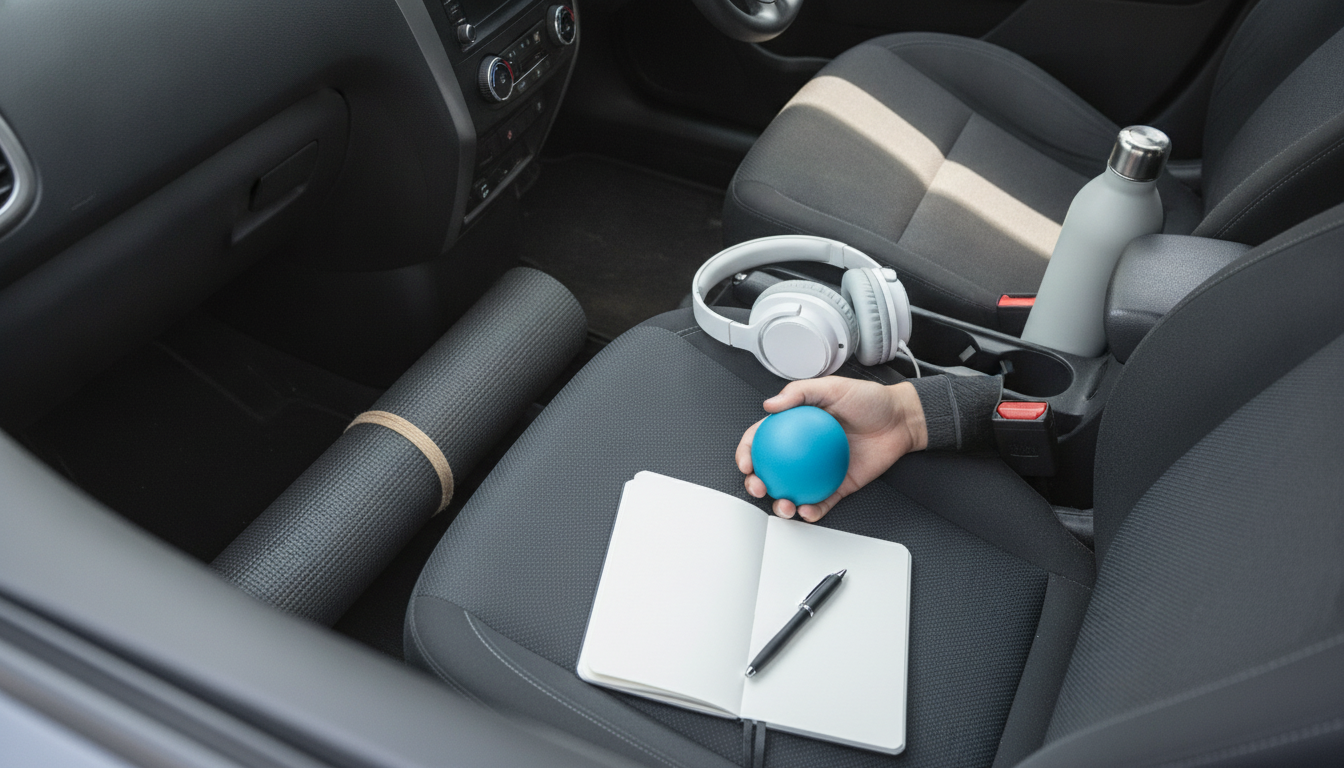
Start by lowering the physical “alarm” in your nervous system. A few slow breaths, a short walk, stretching, or relaxing your jaw and shoulders can reduce the intensity of stress quickly. The goal is to bring your body down from high alert so you can think clearly.
2) Control
Identify what you can control today, and act on it. That might mean choosing the next smallest step, setting a timer for 10 minutes of focused work, or preparing for a tough conversation. Control doesn’t mean fixing everything—it means directing your energy toward what’s actually movable.
3) Challenge
Stress often comes with automatic thoughts like “I can’t handle this” or “This will never end.” Challenge those thoughts by asking: What’s the evidence? What’s another explanation? What would I tell a friend in the same situation? A more balanced thought can reduce anxiety and increase problem-solving.
4) Connect
Connection is a stress buffer. Text a friend, ask for help, or simply spend time around people who feel safe. Even brief, positive contact can lower stress hormones and reduce the feeling of carrying everything alone.
5) Commit
Commit to small, repeatable routines that keep stress from stacking up: consistent sleep and meals, movement, hydration, and short “reset” breaks. For fast, bite-size ideas you can fit into a busy day, see this guide to quick stress-relief micro-resets.
FAQ
What is a quick way to reduce stress in the moment?
Try a 60-second reset: inhale slowly for 4 seconds, exhale for 6–8 seconds, and relax your shoulders as you breathe out. Repeat for 5–8 breaths to bring your heart rate down and regain focus.









Leave a comment