4-Week Puppy Training Routine: Potty, Cues & Socialization
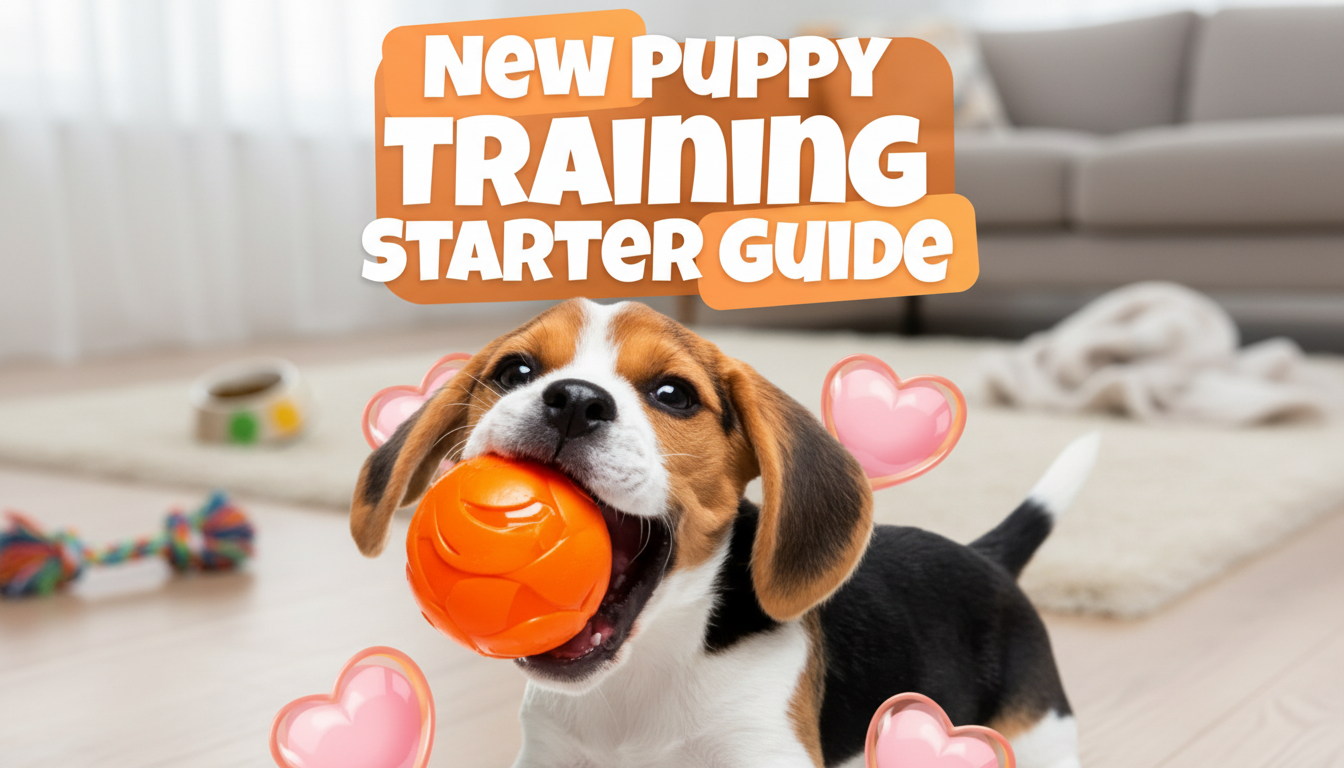
New Puppy Training Starter Guide: A 4-Week Routine for House-Training, Basic Cues, and Confident Socialization
A new puppy learns fastest when daily life is predictable, rewards are consistent, and expectations are age-appropriate. This starter guide lays out a practical 4-week routine with clear house-training steps, foundational cues, and a safe socialization plan—designed for beginners who want a calmer home and a puppy that knows what to do next.
Before Day 1: Set Up the Home for Training Success
Training goes smoother when the environment prevents mistakes. Start by choosing a confinement plan: a crate paired with an exercise pen works well for most homes, but a puppy-proofed room can also work if it truly limits access to rugs, cords, and tempting furniture. The goal is simple: reduce unsupervised freedom so accidents and chewing don’t become habits.
Next, gather essentials you’ll use daily: soft, high-value treats; a leash and harness; an enzymatic cleaner for accidents; a few safe chews; and (optionally) a clicker. Post a basic schedule where everyone can see it—consistency across people is what turns “random good moments” into reliable skills.
Finally, pick your cue words and house rules now. Decide where your puppy sleeps, where potty happens, and whether furniture access is allowed. Puppies don’t generalize well; “sometimes” often sounds like “never understood” to a young dog.
Keep training sessions short and frequent: 1–3 minutes, several times a day, beats one long session that ends with frustration.
The First 72 Hours: Stabilize, Prevent Accidents, Build Trust
The first few days are about settling in, not testing limits. Keep life quiet and structured with frequent potty trips, calm handling, and gentle exposure to household sounds from a comfortable distance. If the puppy startles, lower the volume or increase distance and reward calm observation.
Use a simple repeating cycle to prevent overtired chaos: potty → play/training → water/meal → potty → nap. Many “behavior problems” in week one are really sleep problems—an overtired puppy tends to bite more and forgets potty habits.
Start a potty log immediately. Write down the time, the location, whether it was a success or accident, and what happened right before. Patterns show up fast (for example: accidents 10 minutes after wrestling with a toy, or right after a nap).
Also reward good choices your puppy offers on their own: sitting, making eye contact, choosing a toy over your hands, or lying down near you. This builds a puppy who “tries” rather than a puppy who waits to be corrected.
House-Training: A Clear Plan That Prevents Setbacks
House-training improves when potty trips are proactive, not reactive. Use schedule triggers: after waking, after eating or drinking, after play, after training, before and after confinement time, and at least every 1–2 hours for young puppies (then adjust based on age and your puppy’s success rate).
Choose one potty spot outdoors and be boring. Stand still, keep the leash loose, and give your puppy time. The moment they finish, reward immediately (treat + praise) and add a short “bonus” like a minute of sniffing freedom. That bonus matters: it teaches that potty first leads to fun.
If an accident happens indoors, avoid scolding. Interrupt gently (a calm “oops”), take your puppy outside, and reward if they finish outdoors. Then clean the indoor area with an enzymatic cleaner so lingering odor doesn’t invite repeat accidents.
At night, do a last potty trip right before bed. If your puppy needs a nighttime break, keep it quiet and on-leash. No play, no wandering, no excitement—nighttime should feel like “quick business, then back to sleep.”
Fast-reference house-training schedule (adjust to your puppy’s age and progress)
| Time/Trigger | What to do | Goal |
|---|---|---|
| After waking (nap or morning) | Go straight to potty spot, reward immediately after | Prevent first-thing accidents and build habit |
| After meals (10–20 minutes) | Potty trip, then calm time | Pair meals with predictable bathroom routine |
| After play or zoomies | Potty before and after intense play | Catch excitement-related accidents |
| Before crating/pen time | Potty, then settle with a chew | Keep confinement clean and comfortable |
| Every 1–2 hours (young pups) | Quick potty opportunity | Rehearse success more than mistakes |
Weeks 1–4: Daily Routine That Teaches Skills Without Overwhelm
Core Cues for Beginners (and What to Reward)
Socialization Without Risk: Confidence-Building Exposures
Puppy play should be supervised and well-matched by size and energy, with frequent breaks and an easy way to disengage. For vaccine timing and low-risk locations, coordinate with your veterinarian; the American Veterinary Society of Animal Behavior provides helpful context on balancing disease risk with early social experiences (AVSAB puppy socialization position statement). For additional training fundamentals, the American Kennel Club and AAHA guidelines are solid references.
Common Problems in the First Month (Quick Fixes That Work)
Printable Training Plan: Keep Everyone Consistent
For an easy, household-friendly checklist format, use the New Puppy Training Starter Guide (printable 4-week routine) to keep everyone aligned on cues, schedules, and weekly priorities.
If your home includes a cat, understanding stress signals on both sides helps introductions go more smoothly; the Cat Body Language & Behavior Cheat Sheet can help you spot “please give me space” cues early. And since puppyhood can be intense for people too, Break the Tension: Stress Relief Techniques is a simple way to keep your own routine steady—because consistency is easier when you’re regulated.
FAQ
What is the 3-3-3 rule for puppy training?
The 3-3-3 rule is a common guideline that many puppies need roughly 3 days to decompress, 3 weeks to learn the household routine, and 3 months to feel truly at home. It varies by puppy, but it’s a helpful reminder to keep expectations realistic as potty training, bonding, and behavior gradually improve with repetition.












Leave a comment